
How to Choose a Car Battery Charger in the UK (2026 Guide)
A flat battery is one of the most common and most avoidable car problems in the UK. The right charger keeps you moving. Here is everything you need to know before you buy.
A dead car battery is frustrating. A dead battery in winter, in the rain, in a car park — even worse. The good news is that a quality battery charger costs less than a single call-out from a breakdown service, and it solves the problem permanently.
This guide explains exactly what to look for, what the specs mean, and which options on Zonify are worth your money.
What does a car battery charger actually do?
A battery charger connects to your 12V (or 12/24V) car battery and restores the charge it has lost — either from sitting unused, a short journey that did not give the alternator time to recharge it, or simply age. Most modern chargers do more than just top up the charge. They condition, repair, and maintain the battery, extending its life significantly.
Key specs to understand before you buy
Amp rating
The amp rating tells you how fast the charger works. For most standard car batteries (60–80Ah), a 6A charger is ideal — fast enough to be practical, slow enough not to damage the battery. Larger vehicles with 100Ah+ batteries benefit from an 8A charger.
12V vs 12/24V
Most cars run on 12V. If you also maintain a van, truck, or motorhome, choose a 12/24V charger so you can use it across your fleet.
Pulse repair and desulphation
Over time, lead-acid batteries develop sulphate build-up on the plates, which reduces capacity. A charger with pulse repair technology can break down this build-up and restore a battery that would otherwise need replacing — saving you the cost of a new one.
LCD display
An LCD screen shows you the current charge level, charging mode, and fault alerts. It takes the guesswork out of the process.
Trickle and maintenance mode
If you have a classic car or a vehicle that sits unused for weeks, a charger with maintenance mode keeps the battery topped up without overcharging. You can leave it connected indefinitely.
Our picks from Zonify
All three options below are in stock and available for free UK delivery.
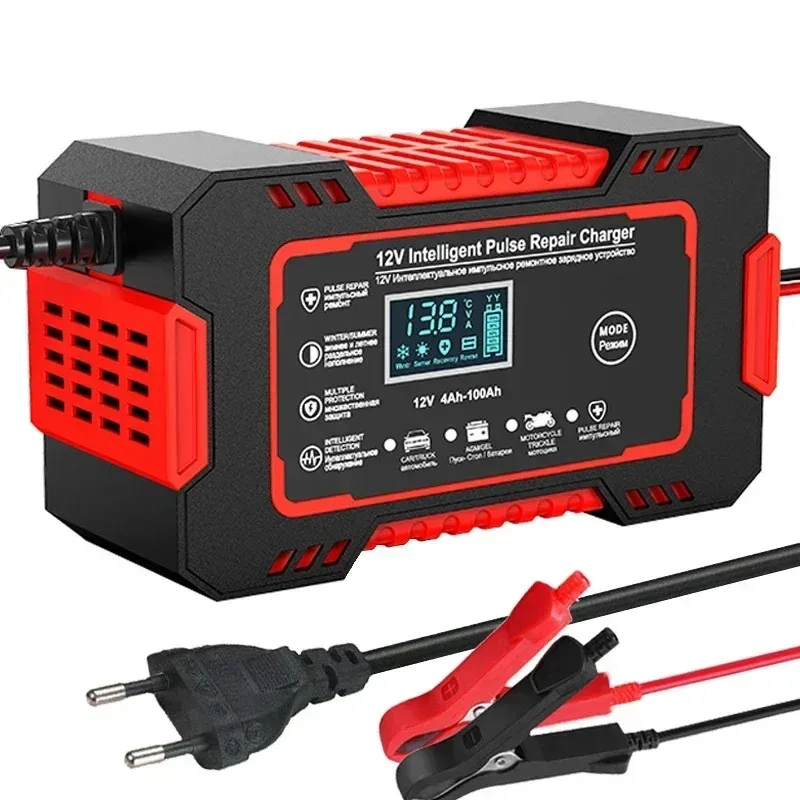
Handles 12V batteries up to 120Ah. Fully automatic cycle — bulk charge, absorption, float maintenance. Pulse repair built in. No guesswork, no risk of overcharging. Our top recommendation for everyday UK drivers.
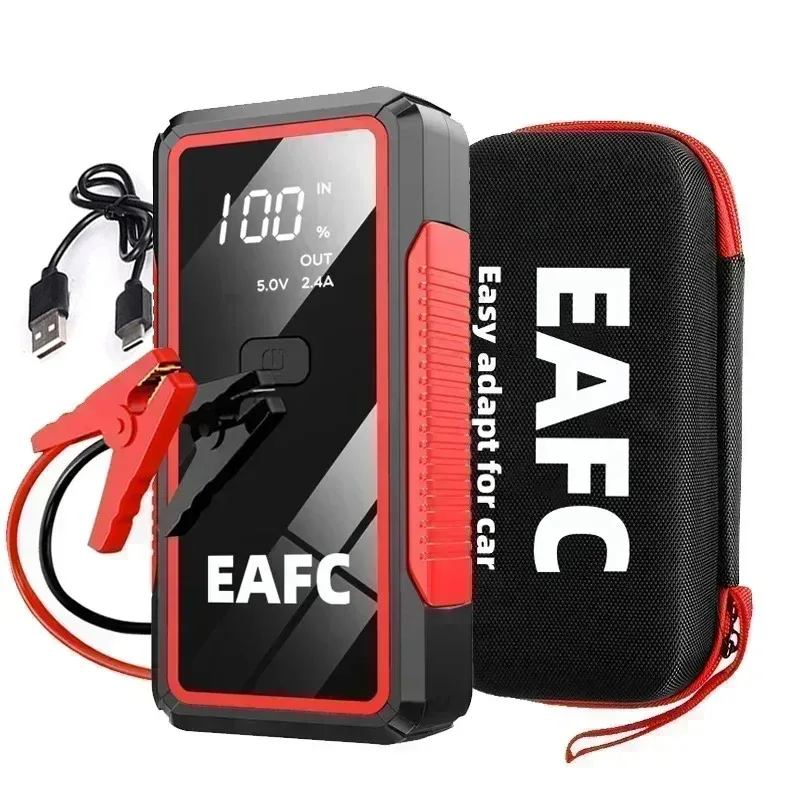
Dual voltage covers both 12V cars and 24V vans or trucks. The 8A output handles larger batteries efficiently. Automatic cycle — walk away and let it finish. Supports AGM, gel, and standard flooded lead-acid batteries.
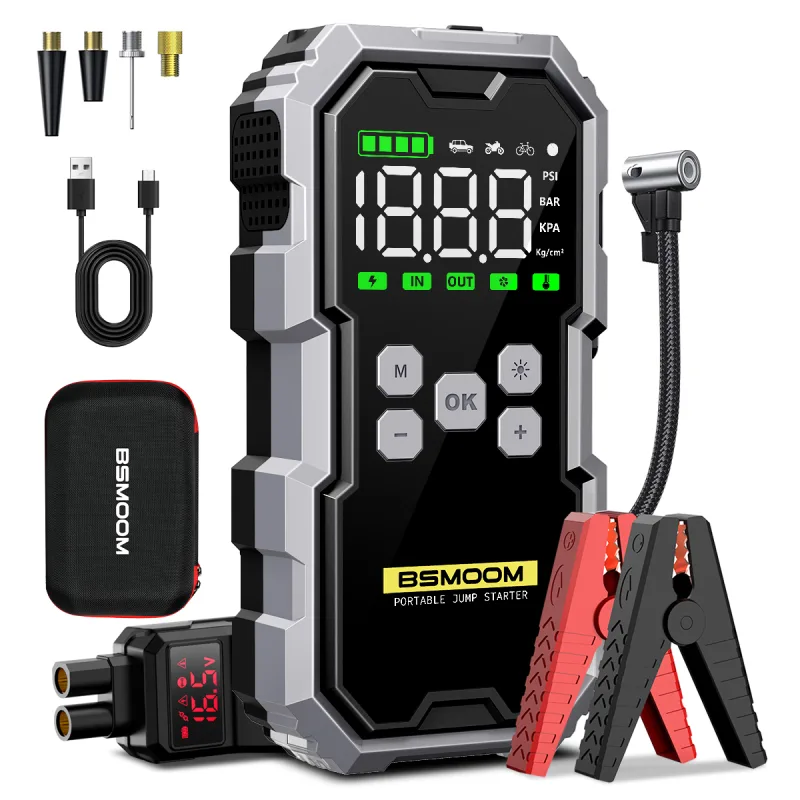
Not a charger, but essential insurance. Delivers a 6000A peak jump start without needing another vehicle. Built-in air compressor for tyres, LCD screen, USB charging ports. Keep it in the boot.
Do I need a smart charger?
Yes, for almost all modern cars. Basic chargers push constant current and can overcharge and damage a battery if left connected. Smart chargers automatically switch to float mode when the battery is full. Every charger listed above is a smart charger.
How long does charging take?
It depends on how flat the battery is and the charger amp rating. A 6A charger on a half-flat 60Ah battery takes around 5–6 hours. A badly discharged or large battery can take 10–12 hours. Most people put the charger on in the evening and find a full battery in the morning.
Is it safe to charge a car battery at home?
Yes, with a modern smart charger. Charge in a ventilated space and make sure the terminals are connected correctly (red to positive, black to negative). All chargers above have reverse polarity protection — connecting them incorrectly triggers a fault alert rather than causing damage.
Frequently asked questions
Yes, if it is a smart charger with automatic maintenance mode. Once the battery reaches full charge, it switches to a low-level trickle that keeps it topped up without overcharging. The chargers listed above all do this.
A battery charger restores charge slowly over several hours. A jump starter delivers a high burst of current to start a flat battery instantly, but does not recharge it — you still need to drive or charge afterwards.
Most 12V smart chargers include a mode for AGM and gel batteries used in motorcycles and leisure vehicles. Both chargers listed above support AGM, gel, and standard flooded lead-acid batteries.
Slow cranking on startup, dashboard warning lights, or a car that has sat unused for more than a month are all signs. A charger with a diagnostic mode will also tell you the current health of the battery when you connect it.