
Best Men's Ties UK (2026) — Silk, JK, and Gift Sets
Choosing a tie that actually works with your wardrobe is harder than it looks. The wrong width, material, or print can undermine an otherwise solid outfit. This guide covers what to look for and which ties are worth buying in the UK in 2026.
A tie is the finishing detail that either pulls a look together or fights against it. Getting it right means understanding a few basics about materials, widths, and occasion — and then finding something you actually want to wear.
Silk vs synthetic ties — what is the difference?
A silk tie drapes more naturally than a polyester one, knots more cleanly, and holds a dimple better. It also catches light differently — a silk sheen looks rich where polyester looks cheap. For formal occasions or client-facing work, silk is worth it. For everyday office wear where ties are functional rather than focal, a good quality polyester or silk-blend tie is perfectly acceptable and more durable.
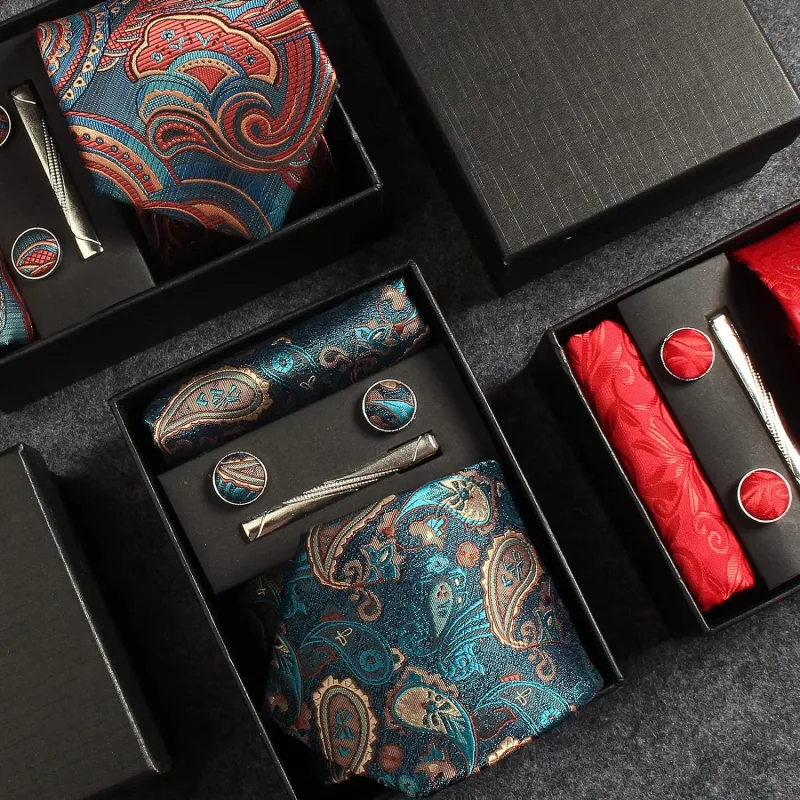
100% silk tie in a classic paisley design, supplied as a complete set with matching pocket square, tie clip, and cufflinks. Rated 4.9 stars. An excellent gift option — everything in one box, well presented, and genuinely good quality silk at a price that most department stores would charge for the tie alone.
Tie width — what suits which occasion?
Standard tie width is 7–8cm at the widest point. This is a safe, classic choice that suits most lapel widths. Skinny ties (5–6cm) work with slim-cut suits and narrow lapels — a trend that peaked in the early 2010s but has come back in a quieter, more refined form. Wide ties (9cm+) are traditionally formal and pair with wider lapels on classic-cut suits. Match your tie width to your lapel width for a balanced look.
JK and novelty ties
School and uniform-style ties — particularly the Japanese JK uniform aesthetic — have become popular as fashion pieces beyond their original context. Striped and plaid short ties worn loosely with casual clothes are a well-established look. They are also practical for actual school or college use where a tie is required.
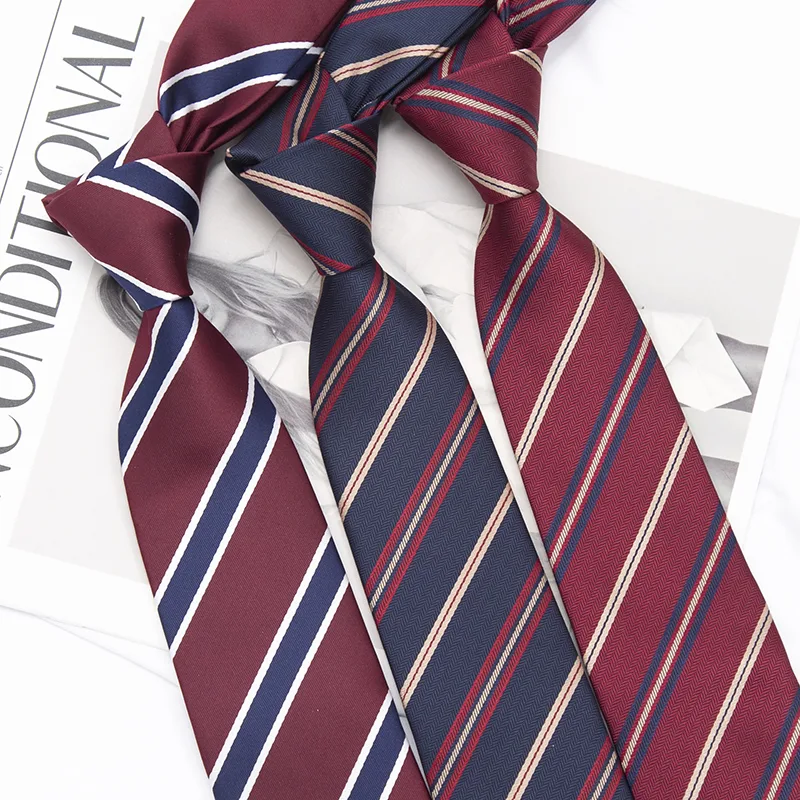
Plaid and striped designs in the classic JK uniform style. Wears as a casual accessory or functional school tie. Rated 4.9 stars. Works for school, cosplay, or fashion wear — a versatile piece at an honest price.
How to tie a proper knot
The four-in-hand is the most practical everyday knot — asymmetric, slightly casual, and quick to learn. The half-Windsor is more formal and symmetrical, suited to business wear and occasions. The full Windsor produces a wide triangular knot that suits spread-collar shirts. For most situations, the half-Windsor is the right choice — it works across collar types and looks considered without being stuffy.
The burn test is the most reliable method — silk burns slowly and smells like hair; polyester melts and smells synthetic. More practically, silk feels smooth and cool to the touch and drapes loosely when held. Polyester feels slightly stiffer and warmer.
The tip of the tie should reach your trouser waistband — no shorter, no longer. Most standard ties are designed for men around 5'10"–6'0". If you are taller or shorter, you may need to adjust how you tie the knot to compensate.
Roll them loosely from the narrow end and store flat in a drawer, or hang them on a tie rack. Never fold — folding creates permanent creases in the fabric. For long-term storage, rolling is better than hanging, as hanging can stretch the fabric over time.
Shop men's accessories — Electronics →